
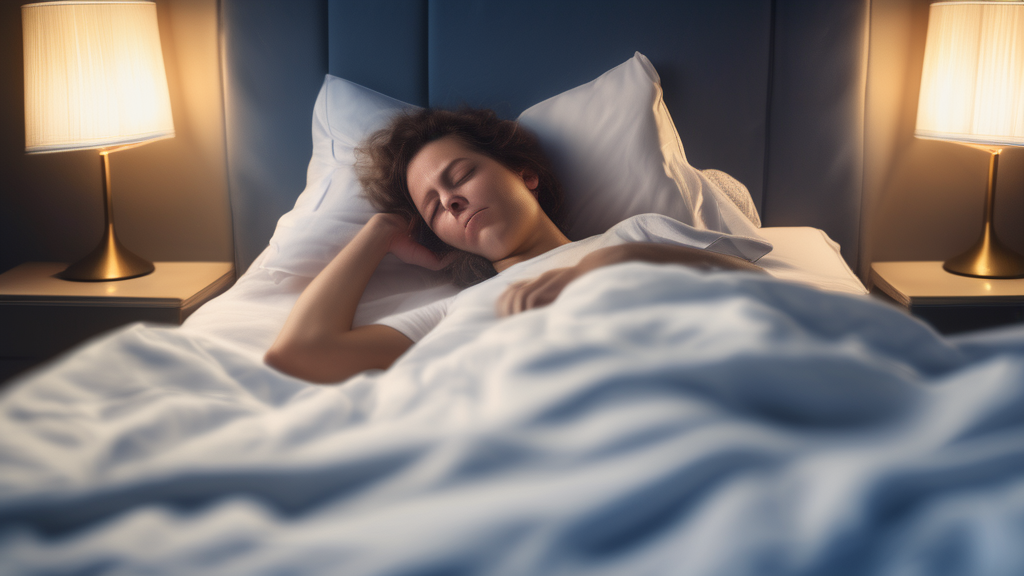
Shocking Revelation: Discover How Blue Light Disrupts Sleep and How to Reduce Its Effects on Your Nightly Rest.
1. Introduction to blue light disrupts sleep how to reduce
In today’s digital age, the average person is constantly exposed to screens. Whether it’s smartphones, computers, or TVs, these devices emit a specific type of light: blue light. It’s no wonder that more and more studies are revealing how blue light disrupts sleep and how to reduce its impact on our daily lives. Blue light, a high-energy visible light, can interfere with our body’s natural sleep-wake cycle, leading to numerous health issues, including sleep disorders, fatigue, and even increased stress levels.
This pervasive exposure starts early in the morning and stretches until late in the night, often beyond the time when people should ideally begin their sleep routine. The essence of the problem lies in how blue light affects our internal biological clock known as the circadian rhythm. This cycle is highly sensitive to light and dark signals. Blue light, similar to the light experienced during daylight hours, signals the brain to stay alert and awake. It reduces the production of melatonin, the sleep-inducing hormone, delaying the onset of sleep and disturbing the overall sleep quality.
Understanding how blue light disrupts sleep and how to reduce its effects is crucial for enhancing your sleep quality. Not only does this knowledge arm you with techniques to manage exposure, but it also sets you up for healthier sleep hygiene practices. Fortunately, numerous strategies can help minimize blue light exposure and mitigate its adverse effects. Throughout this comprehensive guide, we’ll delve into the science of blue light, its proven impacts on sleep, and effective methods to combat its influence, ultimately benefiting your health and well-being.

2. Proven Benefits of Understanding How Blue Light Disrupts Sleep and How to Reduce It
The intricacies of how blue light disrupts sleep and how to reduce its impact unfold numerous benefits once understood. First and foremost, recognizing the significance of light exposure on your sleep cycle is foundational. The National Institutes of Health highlights that exposure to blue light screens before bedtime reduces the production of melatonin, a crucial component in the sleep process. By grasping this knowledge, you empower yourself to take proactive steps in protecting your sleep health.
An essential benefit of understanding the dynamics of how blue light disrupts sleep and how to reduce it is the improvement in sleep quality itself. Reducing blue light exposure, especially during the crucial hours before bedtime, enhances melatonin production, resulting in a quicker onset of sleep and a prolonged period of REM (Rapid Eye Movement) sleep. This deep stage of sleep is vital for cognitive function and emotional regulation.
Furthermore, mitigating the effects of blue light aids in reducing the incidence of sleep disorders such as insomnia and sleep apnea. By adopting strategies that limit evening exposure to blue light, you contribute to the stabilization of your circadian rhythm, which is integral in maintaining consistent and restful sleep patterns. The International Journal of Endocrinology sheds light on studies showing enhanced mental clarity and reduced stress levels in individuals adopting such practices, demonstrating the broader psychological benefits.
Moreover, on a more extensive scale, learning how blue light disrupts sleep and how to reduce it can positively influence your physical health. Persistently poor sleep has been linked to increased risks of cardiovascular diseases, obesity, and even diabetes. Therefore, protecting your sleep by reducing blue light exposure can significantly contribute to long-term health benefits, enhancing both your quality of life and life expectancy.
Research from National Institutes of Health supports this.
3. Step-by-Step Guide to Combat Blue Light Disrupts Sleep How to Reduce Effects
Addressing the detrimental effects of blue light disrupts sleep how to reduce its impact requires a systematic approach. By incorporating certain habits into your daily routine, you can protect your sleep quality and improve your overall health. Here’s a step-by-step guide to help you navigate through the process:
- Implement Screen Time Limits: Restrict screen usage at least one to two hours before bedtime. This reduces the exposure to blue light during the critical period before sleep.
- Utilize Blue Light Filters: Many devices now offer night mode settings, which significantly reduce the amount of blue light emitted. Make use of these settings on all your screens, or consider investing in blue light filtering glasses.
- Consider Lighting Alternatives: Swap out your LED bulbs for warmer, dimmer lights, or use smart lighting systems that mimic natural sunlight patterns.
- Adopt Relaxing Pre-Sleep Rituals: Engage in activities such as reading (preferably from a non-backlit source) or meditating, which encourages the natural production of melatonin.
- Make Bedroom Sleep-Friendly: Ensure your bedroom promotes sleep by eliminating all sources of artificial light, including alarm clocks with bright displays.
- Embrace a Consistent Sleep Schedule: Go to bed and wake up at the same time every day, even on weekends, to help regulate your internal clock.
- Monitor Your Diet and Exercise: Consuming caffeine or large meals before bed can counteract your efforts to reduce blue light effects and disrupt your sleep.
- Seek Professional Help: If you persistently struggle with sleep, consider consulting a sleep specialist who can offer more personalized recommendations.
4. Common Mistakes to Avoid When Managing How Blue Light Disrupts Sleep and How to Reduce Its Impact
The journey in understanding how blue light disrupts sleep and how to reduce its effects is not without its challenges. Often, individuals unknowingly make mistakes that can impede their progress. Here are some common pitfalls and how to steer clear of them:
Ignoring Screen Time: A prevalent mistake is underestimating the impact of evening screen exposure. Many people mistakenly believe that short-term exposure will have a negligible effect, only to find themselves sleepless later.
Overlooking Device Settings: Despite advancements in technology, people frequently fail to utilize the blue light reduction settings available on their devices. Remembering to enable these settings can make a substantial difference.
Compromising on Lighting: While it may seem convenient to use bright lights at night for work or leisure activities, this only exacerbates the problem. Prioritize warmer, dimmer lighting options.
Ignoring Pre-Sleep Activities: Often, people engage in stimulating activities like watching intense movies or reading on electronic devices, which can obscure their ability to relax and wind down.
Inconsistent Sleep Routine: Irregular sleep patterns, such as different bedtimes on weekends and weekdays, can confuse your body’s natural sleep cycle, making it harder to adapt to any reduction in blue light exposure.
Lack of Patience: The adjustments made in reducing blue light exposure may not yield instantaneous results. It’s important to remain consistent and allow time for your body to adapt and respond positively.
5. Conclusion
As we live in an era of ever-present technology, understanding how blue light disrupts sleep and how to reduce its impact is essential for maintaining our well-being. Through awareness and the adoption of practical strategies mentioned above, you can safeguard your sleep quality and reap the numerous health benefits that come with it. Remember, consistency is key in managing blue light exposure, and patience is vital as you navigate this change in your lifestyle.
For more tips, explore our Health Info section.

I am not a doctor. Since 2021 I have been tracking my own grip strength, resting heart rate, blood pressure and sleep at home, and reading the studies behind each number. This site is what I wish I had found when I started: how to measure, what the ranges mean, and when a number is worth a visit to a clinician.