
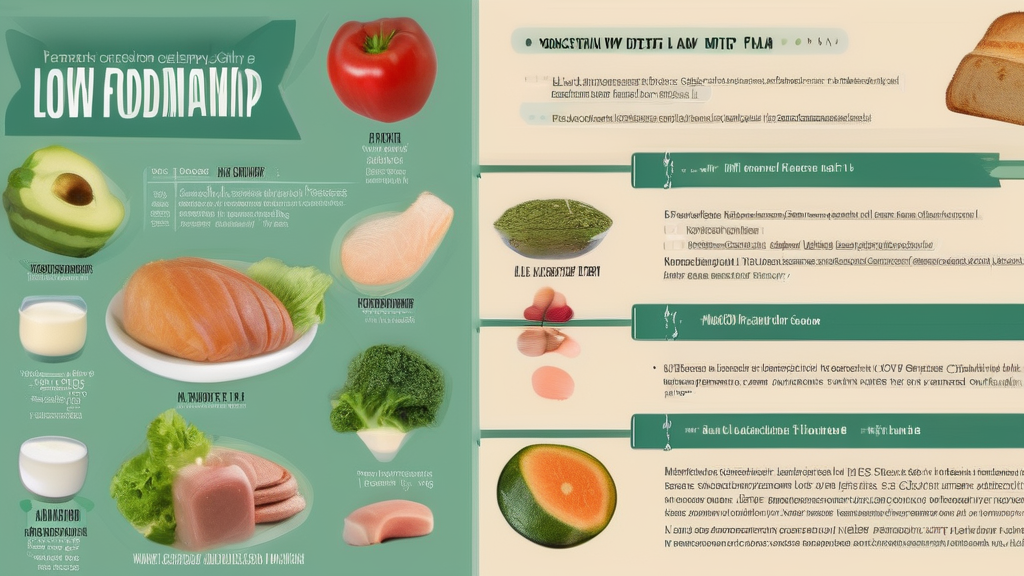
Shocking results have revealed that the low fodmap diet plan for beginners free can drastically alleviate IBS bloating symptoms. Are you ready to unlock the secret to a happier gut—and a happier you?
1. Introduction to low fodmap diet plan for beginners free
Living with IBS, or Irritable Bowel Syndrome, can be a challenging journey filled with uncomfortable bloating and digestive discomfort. However, a low FODMAP diet plan for beginners free can offer a beacon of hope. FODMAPs are types of carbohydrates found in certain foods that are notorious for triggering digestive symptoms. Thus, a low FODMAP diet plan focuses on reducing the intake of these carbohydrates, which can be a game-changer for IBS sufferers.
For newcomers to the low FODMAP diet plan for beginners free, understanding what exactly these FODMAPs are is crucial. FODMAP stands for Fermentable Oligosaccharides, Disaccharides, Monosaccharides, And Polyols. These are specific types of short-chain carbohydrates that some people struggle to digest, leading to symptoms such as abdominal pain, cramping, gas, and bloating.
Initiating a low FODMAP diet may seem daunting, especially for beginners. However, the beauty of the low fodmap diet plan for beginners free is its structured approach that involves three phases: elimination, reintroduction, and personalization. During the elimination phase, high-FODMAP foods are removed from the diet to see if symptoms improve. In the reintroduction phase, these foods are reintroduced one by one to identify specific triggers. Finally, the personalization phase tailors the diet to the individual’s tolerance levels while keeping the symptoms at bay.

The low fodmap diet plan for beginners free is not just beneficial for those with IBS. It offers a structured way to explore dietary habits and understand one’s own body better. This diet encourages individuals to pay attention to their body’s signals and empowers them to make food decisions based on knowledge rather than uncertainty.
This plan also emphasizes the importance of wholesome, fresh foods, encouraging a balanced diet. While some fruits, vegetables, and grains are limited or reduced, the low fodmap diet plan for beginners free still allows for enjoyment and variety in meals, fostering a positive relationship with food.
2. Proven Benefits of low fodmap diet plan for beginners free
The proven benefits of following a low fodmap diet plan for beginners free go beyond merely alleviating symptoms of IBS bloating. Numerous studies highlight the effectiveness of this diet in significantly reducing these symptoms for 75% of people who adhere to the plan.
The low fodmap diet plan for beginners free works by effectively reducing the fermentation of carbohydrates in the gut. This directly translates to reduced gas production, leading to less bloating and discomfort. Consequently, individuals often report improved bowel movements, less abdominal pain, and a general boost in their quality of life.
Moreover, following a low fodmap diet plan for beginners free aligns with an increase in energy levels. Experiencing less discomfort and more balanced bowel habits often results in enhanced mood and vitality. The structured nature of this diet encourages individuals to plan meals thoughtfully, often resulting in a well-rounded and nutritious intake.
Another benefit is the educational aspect of the low fodmap diet plan for beginners free. It serves as a practical tool to teach people about their digestive health and food sensitivities. This self-awareness facilitates better long-term dietary choices, helping to maintain gut health and reduce the risk of recurring IBS symptoms.
Research from National Institutes of Health supports this, showing that those who adhere to a low FODMAP diet can experience substantial relief from IBS symptoms.
3. Step-by-Step Guide to low fodmap diet plan for beginners free
Embarking on a low fodmap diet plan for beginners free involves a systematic approach. Below is a step-by-step guide to help you succeed:
- Phase 1: Elimination
- Begin by eliminating high-FODMAP foods. These are commonly found in wheat products, some fruits (like apples and pears), dairy, and certain vegetables (like onions and garlic).
- Use resources like the Monash University FODMAP Diet app to identify which foods to avoid.
- This phase typically lasts 4-6 weeks, but observe how your body reacts and adjust accordingly.
- Phase 2: Reintroduction
- After the elimination phase, reintroduce FODMAP foods one at a time.
- Monitor your symptoms. If no symptoms are triggered by a particular food, it can be reintroduced into your diet.
- Start with small servings and gradually increase to observe tolerable amounts.
- Phase 3: Personalization
- Use information gathered from the reintroduction phase to customize your diet.
- Maintain a balanced intake of nutrients while being mindful of FODMAPs that cause discomfort.
- Continue to enjoy a variety of foods, ensuring you get adequate fiber, vitamins, and minerals from low-FODMAP sources.
A successful low fodmap diet plan for beginners free is all about careful observation, patience, and flexibility. Remember that each individual’s tolerance can vary widely, so the key is creating a diet plan that specifically suits your body’s needs.
4. Common Mistakes to Avoid in low fodmap diet plan for beginners free
As with starting any new diet, there are pitfalls to watch out for when beginning a low fodmap diet plan for beginners free. Avoid these common mistakes to maximize the benefits of the diet:
1. Over-restricting: One common error is eliminating more foods than necessary, which can result in nutrient deficiencies. It’s essential to follow the diet as intended and only restrict high-FODMAP foods.
2. Skipping the Reintroduction Phase: Skipping or improperly executing this phase can lead to long-term restrictive eating patterns. It is crucial for identifying specific food triggers and widening your dietary options.
3. Portion Distortion: Consuming large portions of low-FODMAP foods can sometimes mimic high-FODMAP intake, triggering IBS symptoms. Portion control is essential for a successful low fodmap diet plan for beginners free.
4. Ignoring Other Lifestyle Factors: A low fodmap diet plan for beginners free is most effective when combined with a healthy lifestyle. Stress management, regular exercise, and proper hydration play integral roles in managing IBS symptoms.
5. Relying on Processed Foods: While many processed foods are labeled low-FODMAP, they might contain other additives that can affect gut health. Prioritize whole, unprocessed foods to ensure a nutrient-rich diet.
By recognizing these mistakes, you can ensure your journey on a low fodmap diet plan for beginners free is as smooth and effective as possible.
5. Conclusion
Embarking on a low fodmap diet plan for beginners free can be a transformative journey for those suffering from IBS bloating and discomfort. By understanding and correctly implementing the phases of elimination, reintroduction, and personalization, individuals can effectively identify triggers and tailor their diets to enhance well-being. With proven benefits backed by research, this diet offers a structured framework not only to manage symptoms but also to cultivate a better understanding of one’s body. For more tips, explore our Health Info section.