
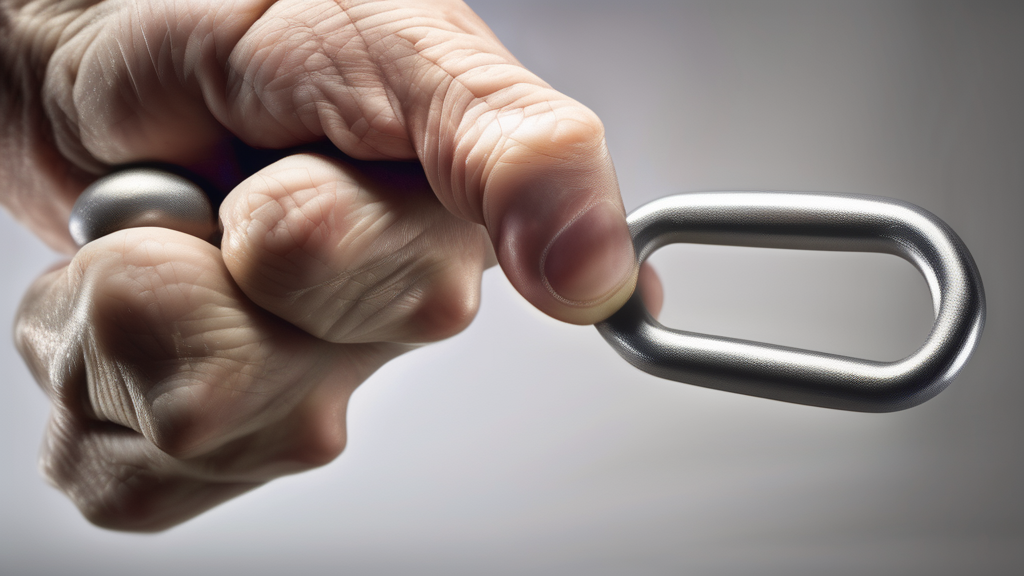
The shocking truth is that “grip strength and all cause mortality” are intricately linked, revealing an unexpected predictor of longevity that could change how you perceive your health forever.
1. Introduction to grip strength and all cause mortality
Grip strength is more than just a measure of hand and forearm power. It represents a significant indicator of overall health and, surprisingly, has been extensively studied as a predictor of longevity. The connection between grip strength and all cause mortality has been solidified through numerous studies, linking a strong grip with decreased risks of various diseases and increased longevity.
The relevance of grip strength in medical assessments dates back to when it was first recognized as a marker of nutritional status. As more research emerged, it became apparent that grip strength is much more than that—it serves as a biomarker for the overall physiological well-being of an individual. From heart health to cognitive function, the strength of one’s grip seems to reflect the body’s ability to bounce back from health adversities.
Clinical studies have consistently shown that lower grip strength is associated with higher mortality rates, independent of age and other traditional health markers like blood pressure or cholesterol levels. This finding brings an interesting dimension to preventive health measures. Health professionals are now considering grip strength assessments as a standard part of health check-ups, seeing it as a low-cost and practical indicator of an individual’s risk for diseases like cardiovascular problems, respiratory illnesses, and even some types of cancer.
But why grip strength? The muscle groups involved in forming a tight fist require a coordination that reflects overall muscle health, neurological function, and the circulatory system’s ability to deliver adequate blood to the necessary regions. In essence, grip strength acts as a microcosm of the body’s broader muscular health and function. Research highlights a linear relationship between grip strength and the risks of mortality, suggesting that even minor improvements in muscle strength could be beneficial.
Moreover, considering the aging population worldwide, maintaining adequate grip strength has emerged as a non-invasive measure to prolong independence in the elderly. By incorporating grip strength measurements into routine health assessments, doctors and physical therapists can develop more tailored exercise and lifestyle programs focused on enhancing an individual’s physical longevity and quality of life.
As the evidence continues to mount, it becomes clear that the nourishment and physical activity needed to maintain a healthy grip transcend gender, ethnicity, and socioeconomic status. This universality makes grip strength a powerful tool in global health assessments, prompting experts to advocate for its inclusion in routine check-ups.

2. Proven Benefits (Include Focus Keyword)
When it comes to the topic of grip strength and all cause mortality, the benefits of understanding and improving this biomarker are manifold. The National Institutes of Health has published extensive research backing the claim that enhanced grip strength significantly reduces the risk of all-cause mortality. But how exactly does improved grip strength translate to longer life and better health?
The correlation between grip strength and cardiovascular health, for instance, is well-documented. Individuals with a stronger grip generally show lower rates of heart disease and stroke. While these findings are correlational, they suggest that improving grip strength may be a viable strategy for reducing the risk of cardiovascular illnesses. The underlying mechanism is believed to involve improved muscle health which enhances metabolic health and lowers systemic inflammation—both factors crucial in the fight against heart disease.
Similarly, grip strength ties into respiratory health. Not only does a strong grip correlate with maintained respiratory function in aging populations, but it also relates to overall physical resilience. This physical resilience is key in fighting respiratory diseases like COPD—conditions known for elevating mortality risks.
Why stop at cardiovascular and respiratory health? Grip strength is also implicated in reduced risks of metabolic syndromes like diabetes. The strength required for an optimal grip indicates not only good muscle function but satisfactory insulin sensitivity. A healthy lifestyle that promotes muscle strength inherently bolsters these systems, creating a cascade of health benefits—even reaching into cognitive health realms by lowering dementia risks.
The benefits of grip strength are not restricted solely to physiological markers. Psychological well-being, often overlooked, plays a crucial role in life expectancy. Regular exercises that enhance grip strength can improve mental health by reducing stress levels and enhancing sleep quality. Stress management and quality rest are foundational pillars for a lengthier, healthier life, demonstrating how grip strength offers holistic health benefits beyond the physical.
Ultimately, grip strength serves as a gateway to comprehensive health understanding, where researchers are increasingly able to pinpoint areas of risk and apply targeted, effective interventions. For individuals seeking to enhance their quality of life and longevity, investing in grip strength exercises offers a reliable and accessible starting point. Research from National Institutes of Health supports this.
3. Step-by-Step Guide
Developing grip strength doesn’t require complicated machinery or extensive equipment. Here is a straightforward guide to help you enhance your grip strength and lower your risks associated with all cause mortality:
- Hand Grippers: Start with simple hand grippers. These tools are portable, affordable, and effective. For a basic workout, aim for two to three sets of 15-20 reps on each hand. As you progress, gradually increase the resistance to continue challenging your muscles.
- Dead Hangs: Use a pull-up bar to perform dead hangs, an excellent way to improve grip strength and muscle endurance. Simply hang from the bar with an overhand grip, keeping your body as still as possible. Start with 20 seconds and aim to work up to a minute.
- Farmer’s Walk: This involves carrying weights in each hand while walking a specified distance. Start light and focus on maintaining proper posture. As you get stronger, increase the weights to further challenge your grip and overall body strength.
- Wrist Curls: Use a light dumbbell and perform wrist curls to enhance forearm and grip strength. Sit with your forearm resting on your thigh, hang the weight from your hand, and curl your wrist upward. Aim for three sets of 15-20 reps on each hand.
- Pinch Grips: Use weight plates for pinch grip exercises. Hold two plates together in one hand and keep your grip as long as possible. This exercises not only strengthen the hands but are a real test of your forearm endurance.
- Rock Climbing: If possible, incorporate rock climbing as a recreational activity. It offers an intensive grip workout and challenges your upper body muscles. Climbing requires continuous engagement of both your hands and arms, scaling up your grip strength effectively.
Remember to maintain consistent training while allowing your muscles sufficient recovery time. Like any muscle group, the muscles involved in grip strength require rest for optimal growth and strengthening.
4. Common Mistakes to Avoid
Improving grip strength as a measure to counteract all cause mortality requires a dedicated approach—but not without caution. Here are common mistakes to avoid:
Neglecting Rest: One fundamental mistake is ignoring the importance of rest. Overworking your grip muscles without adequate recovery can lead to injuries. Remember, improvement comes during the recovery phase, not during the exercise itself.
Ineffective Technique: Whether using hand grippers or performing dead hangs, improper form or gripping technique can lead to suboptimal results and potential strain injuries. It’s vital to focus on quality over quantity. Proper hand positioning and posture will protect muscles and joints.
Lack of Variety: Focusing solely on one exercise can lead to plateaus. Diversifying your grip strength regimen will engage different muscles, prevent monotony and ensure balanced muscle development.
Ignoring Core Alignment: Often, grip exercises involve other major muscle groups such as the core. Maintaining proper core engagement and alignment supports grip exercises and enhances overall stability and strength, yet this is frequently overlooked.
Insufficient Warm-Up: Jumping straight into intense grip exercises without warming up can lead to strains. Gentle stretches and lighter exercises designed to activate your muscles and wrists are beneficial before heavy gripping activities.
By avoiding these common pitfalls, the journey to improving grip strength effectively ties into a holistic approach for reducing all cause mortality risks.
5. Conclusion
In conclusion, “grip strength and all cause mortality” are interconnected in a manner that offers profound insights into our health and longevity. By understanding the importance of grip strength, not just as a standalone metric but as an integral marker of whole-body health, individuals can take proactive steps towards a healthier and potentially longer life. Avoid common mistakes and develop a comprehensive grip strength routine that fits seamlessly into your lifestyle.
For more tips and in-depth insights on health and longevity, explore our Health Info section.