
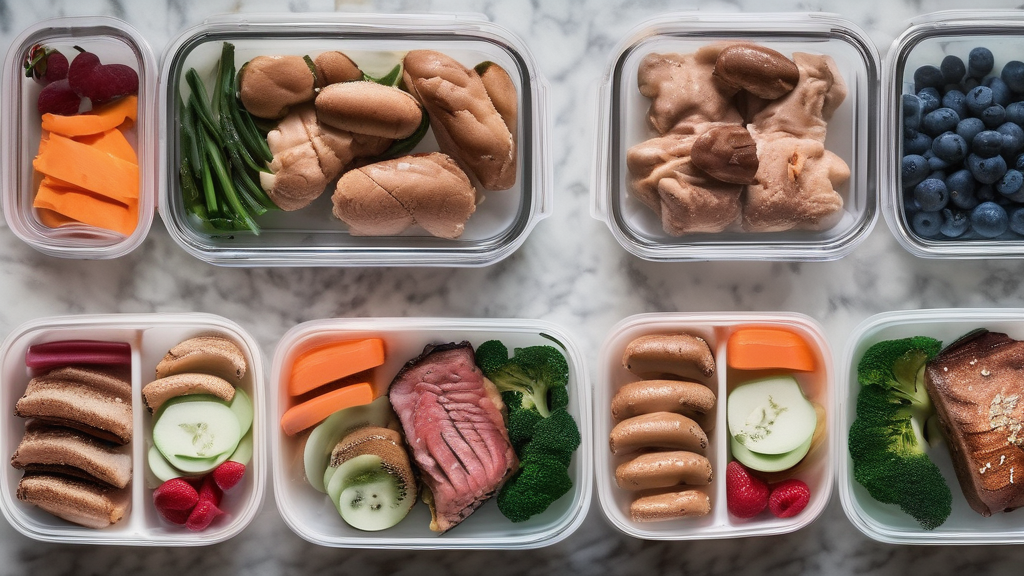
The Secret to unlocking peak performance lies in meal prepping for athletes. This ultimate guide will reveal the steps to fuel your body for success.
1. Introduction to meal prepping for athletes
Meal prepping for athletes isn’t just a trend; it’s a vital component of enhancing athletic performance and ensuring sustained energy levels. For athletes, the demands on the body are significantly higher, requiring not only increased intake of calories but also the right kind of nutrients at the right times. By organizing meals in advance, athletes can focus on training and recovery, knowing their nutritional needs are well covered.
Engaging in meal prepping allows athletes to control portions, balance macronutrients, and tailor their meals to specific workout regimes. It promotes consistent eating habits and minimizes the temptation for unhealthy food choices. For example, an athlete in intense training might need a higher protein intake for muscle repair or increased carbohydrates for energy. By preparing meals in advance, these nutritional requirements can be precisely met.
Athletic routines are tough and time-consuming; thus, the convenience of having ready-to-eat meals can significantly reduce stress. No longer scrambling to cook or grabbing quick and insufficient snacks, meal prepping ensures that each meal is both nutritious and tailored to an athlete’s dietary needs. This preparation can also be an opportunity to explore new recipes and food items that contribute to a varied and enjoyable diet.
Moreover, meal prepping supports athletes in optimizing their meal timing. Eating the right foods at the right times can enhance performance significantly. For instance, consuming a carbohydrate-rich meal post-exercise can help replenish glycogen stores, while protein aids muscle recovery. By planning this in advance, athletes can ensure they are always fueling their bodies with optimal nutrients, exactly when needed.
meal%20prepping%20for%20athletes%20realistic%20photo?width=800&height=500&nologo=true)
2. Proven Benefits (Include Focus Keyword)
Meal prepping for athletes offers numerous proven benefits, serving as the backbone for enhanced performance. To begin with, it ensures that athletes meet their nutritional needs consistently. A planned meal regimen aligns with training demands, providing the energy necessary for performance and aiding recovery post-exercise. This strategic eating approach helps maintain ideal body composition by regulating calorie intake and optimizing nutrient timing.
Another significant advantage is the economic benefit. Preparing meals in large batches can reduce food costs and minimize waste. Athletes often spend a lot on specialized dietary products, but with meal prepping, bulk purchasing of ingredients and cooking in advance can lead to substantial savings. By knowing exactly what and when you will eat, grocery shopping becomes more efficient and budget-friendly.
Psychologically, meal prepping reduces decision fatigue, allowing athletes to focus their mental energy on training rather than meal planning. When everything is ready-to-eat, athletes experience less stress, leading to improved mental well-being. The structure that meal prepping provides supports healthier eating habits and consistent dietary intake, vital for maintaining peak physical and cognitive function.
Moreover, diet consistency is crucial for tracking and monitoring performance improvements. Through meal prepping, athletes can better gauge what dietary modifications contribute to gains in performance. Tailoring meal plans based on dietary needs – whether adding more omega-3 sources for anti-inflammatory benefits or incorporating more antioxidants for recovery – can be effortlessly managed.
Research from National Institutes of Health supports this, highlighting how planned meals correlate with improved dietary quality and better nutrient profiles. Ultimately, for athletes aiming to maximize their potential, meal prepping is a proven methodology.
3. Step-by-Step Guide
Crafting a meal prep plan might seem daunting initially, but breaking it down into simple steps can streamline the process:
- Define Your Goals: Understand your nutritional requirements based on training intensity and goals. This could mean more protein for muscle gain or carbs for endurance.
- Plan Your Meals: Decide on meals for the week. Highlight breakfast, lunch, dinner, and snacks. Each meal should balance carbohydrates, proteins, and fats.
- List Ingredients: Once meals are planned, list all necessary ingredients. Check your pantry to avoid redundant purchases.
- Shop Efficiently: Purchase items in bulk when possible. Choose a variety to ensure well-rounded nourishment and save costs.
- Allocate Time for Prep: Dedicate a consistent time weekly to cook and prepare your meals. This could be a relaxed Sunday evening or a weekday morning.
- Storage Solutions: Invest in good quality containers. Clear, labeled storage helps in managing portions and ensuring freshness.
- Cook in Bulk: Prepare larger quantities of key ingredients like grains, proteins, and vegetables. Mix and match these essentials for varying meals.
- Organize Meals: Divide cooked food into individual containers based on your meal plan. This enhances convenience and ensures you’re meeting dietary needs.
- Maintain Flexibility: Although consistency is key, allow for occasional alterations. Swap meals as needed based on workout variations or social events.
- Evaluate Regularly: Assess your meal prep effectiveness. Are you hitting your nutritional goals? Adjust the plan based on performance and dietary feedback.
4. Common Mistakes to Avoid
Meal prepping for athletes is highly beneficial, yet there are common pitfalls that can hinder its effectiveness. Awareness of these mistakes ensures your efforts translate into performance gains.
One frequent mistake is not accounting for portion sizes. Athletes often have higher calorie needs, and underestimating portion sizes can lead to energy deficits, affecting performance. Conversely, overestimating can result in unwanted weight gain. It’s important to measure portions appropriately, utilizing tools like food scales and nutritional apps to ensure precision.
A second error is the lack of variety. Sticking to the same meals every week can lead to nutrient gaps. Diversified meal plans should include a variety of carbohydrate sources like brown rice, sweet potatoes, and quinoa; protein from both plant and animal origins; and a range of colorful vegetables. Rotating these components will help meet micronutrient needs and prevent dietary monotony.
Not considering recovery meals is another oversight. Failing to consume appropriate nutrients post-workout can hinder recovery. It’s crucial to incorporate meals or snacks that blend carbohydrates and protein immediately after exercise. Think of a smoothie with whey protein and a banana or a turkey and hummus wrap.
Neglecting hydration in the meal prep plan is also common. Hydration significantly impacts athletic performance. Pair meals with a proper hydration strategy, ensuring relevant electrolyte intake, particularly during high-intensity sessions or endurance training.
Furthermore, ignoring food safety can be detrimental. Improper storage of cooked foods can lead to spoilage and foodborne illnesses. Ensure all meals are stored at the correct temperature, and pay attention to expiration dates. Investing in airtight containers and monitoring the life span of ingredients is crucial.
By being mindful of these errors, athletes can optimize meal prepping, ensuring that each bite propels them closer to their athletic ambitions.
5. Conclusion
Meal prepping for athletes is an essential strategy for elevating performance and maintaining optimal health. Through disciplined planning and execution, athletes can align their dietary intake with their training regimen, ensuring peak performance and seamless recovery.
For more tips, explore our Health Info section.