
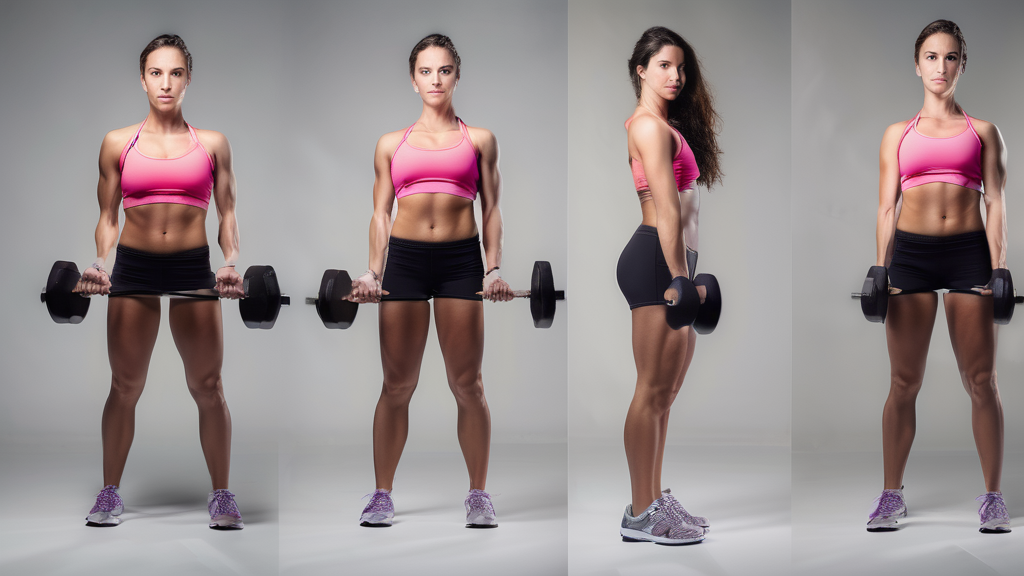
Unlock the Secret to strength training with our comprehensive guide on bodyweight strength training for beginners at home. Whether you’re new to fitness or just looking to switch up your routine, this guide will provide you with all the tools and knowledge you need to get started on your fitness journey right from the comfort of your own home.
1. Introduction to bodyweight strength training for beginners at home
In recent years, the demand for home workouts has surged, with many people seeking efficient ways to exercise without the need for expensive gym equipment. One of the most popular and accessible methods is bodyweight strength training for beginners at home. This form of exercise relies solely on the resistance created by your own body, making it an ideal choice for those who are just starting their fitness journey and want to train within the confines of their home environment.
This method of training not only helps you save money but also provides the convenience of working out at your own pace without the intimidation of a gym environment. Bodyweight strength training for beginners at home focuses on fundamental movements that target various muscle groups, paving the way for both physical strength and core stability enhancement. The simplicity of this exercise style is its major attraction; all you need is your body and a little space, which you probably already have!
Moreover, bodyweight training is versatile. You can adjust the intensity of the exercises according to your fitness level and progress further by incorporating variations as you become stronger. This adaptability makes bodyweight strength training for beginners at home scalable, ensuring that it continues to challenge and engage you as you improve.
Whether you’re looking to build muscle, increase your endurance, or enhance your general fitness level, bodyweight strength training for beginners at home is a practical, efficient, and effective approach. Furthermore, it’s a great way to develop a strong foundation and achieve the correct forms and techniques which are crucial in preventing injuries. Embarking on this training journey promises not only physical health benefits but also boosts your mental resilience and confidence.

2. Proven Benefits (Include Focus Keyword)
Bodyweight strength training for beginners at home offers a multitude of proven benefits. First and foremost, it significantly improves muscular strength and endurance. This form of exercise leverages your body weight to challenge your muscles, thus creating a strong and lean physique.
Another key benefit is the improvement of cardiovascular health. Bodyweight exercises like burpees, jumping jacks, and mountain climbers elevate your heart rate and promote cardiovascular endurance. An active heart translates to better blood circulation and overall heart health.
Flexibility and balance also improve significantly with bodyweight strength training for beginners at home. Exercises like lunges, squats, and planks enhance flexibility by stretching various muscle groups and improving range of motion, while balance exercises engage your core and stabilizer muscles, promoting greater balance.
Mental health benefits are another reason to consider bodyweight strength training at home. Physical activity, including bodyweight exercises, is known to release endorphins, the ‘feel-good’ hormones, which can help reduce stress levels, bolster mood, and combat anxiety and depression.
Notably, bodyweight strength training for beginners at home can be customized to fit personal fitness levels and goals. You can easily modify exercises to increase or decrease the intensity as required. This personalized approach provides motivation and ensures steady progress, which is essential for long-term success and fitness sustainability.
Furthermore, this form of training requires no travel or equipment, making it incredibly time-efficient. You can easily incorporate short, effective routines into your daily schedule, leading to consistent exercise habits. The accessibility and convenience can’t be overstated in today’s fast-paced world. Research from National Institutes of Health supports this.
3. Step-by-Step Guide
Embarking on bodyweight strength training for beginners at home can seem daunting at first, but with a structured step-by-step guide, it becomes manageable and rewarding. Here’s how to get started:
- Warm-Up: Begin with a 5-10 minute warm-up to prepare your muscles and prevent injury. Try jogging in place, arm circles, and dynamic stretches to get your blood flowing.
- Squats: Start with your feet shoulder-width apart, and lower your body as if sitting back into a chair. Ensure your knees don’t extend over your toes. Perform 3 sets of 10-15 reps.
- Push-Ups: Engage your core, keep your body in a straight line, and lower yourself until your chest almost touches the floor. Perform 3 sets of 8-12 reps. Modify by starting on your knees if necessary.
- Lunges: Step forward with one leg and lower your hips until both knees are bent at about a 90-degree angle. Alternate legs and perform 3 sets of 10 reps per leg.
- Plank: Maintain a forearm plank by keeping your body straight from head to heels. Hold this position for 30-60 seconds and aim for 3 reps.
- Cool Down: End with a cool-down session of static stretches targeting the muscles you have worked on. This helps reduce muscle soreness and increases flexibility.
Following this guide will ensure that you establish a solid foundation with bodyweight strength training for beginners at home. Consistency and proper form are key, so focus on mastering these basics before progressing to advanced movements. Remember, progression is personal, and it’s important to celebrate small victories along the way.
4. Common Mistakes to Avoid
While bodyweight strength training for beginners at home is an excellent fitness strategy, it’s vital to be aware of common mistakes to avoid in order to maximize the effectiveness and safety of your workouts.
Firstly, neglecting a proper warm-up is a mistake that many beginners make. A warm-up is essential to prevent injury and prepare the body for the demands of the workout. Skipping this step can lead to muscle strains and reduce your overall performance during exercise.
Another mistake is improper form. This can lead to ineffective workouts and increase the risk of injury. Ensure you are performing each exercise correctly by following a mirror or researching proper techniques. Consult online resources or professional trainers if you are unsure about your form.
Overtraining is also a common pitfall. Newcomers can be tempted to work out too frequently or for too long, thinking it will fast-track their progress. Overtraining can lead to fatigue, burnout, and injury, which can derail your fitness journey altogether.
Failing to personalize your workout is another common error. Bodyweight strength training for beginners at home should be tailored to your current fitness level, abilities, and goals. It may be helpful to track your progress and adjust your routine as needed to ensure continuous improvement.
Finally, consistency is key in any fitness routine. Many beginners start strong but fail to maintain regularity, leading to stalled progress. Set realistic goals and establish a sustainable routine that you enjoy, which will make it easier to maintain long-term consistency.
5. Conclusion
Bodyweight strength training for beginners at home offers an effective, affordable, and flexible way to build strength and improve fitness. By understanding the benefits, following a structured routine, and avoiding common mistakes, you can embark on a successful fitness journey from the comfort of your home.
Remember, consistency, proper form, and gradual progression are essential to achieving your fitness goals. Explore the versatility of bodyweight exercises and enjoy the convenience they offer. For more tips, explore our Health Info section.