
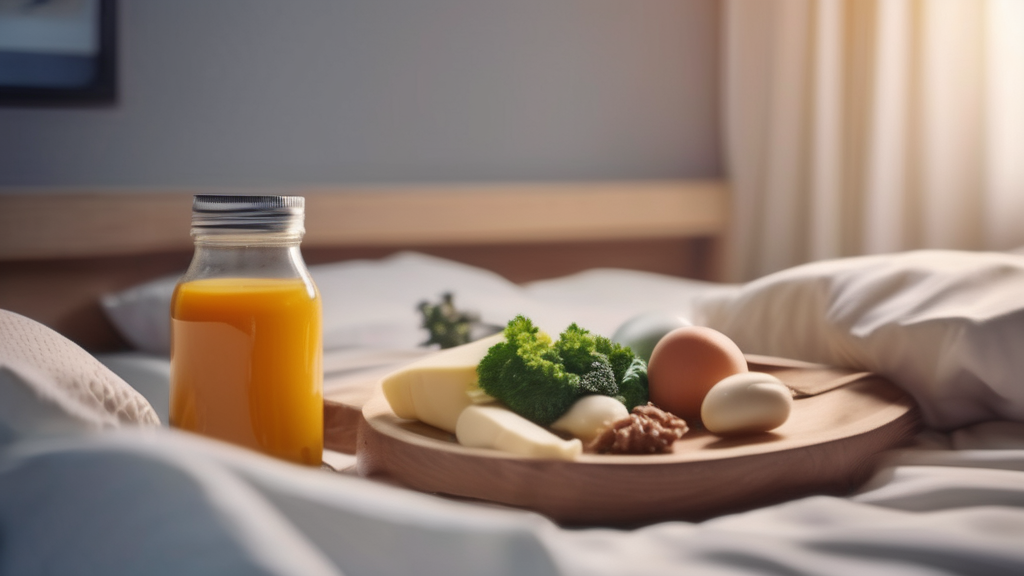
Unlock the Secret to a Restful Night: Dive into the Ultimate Guide on “foods to eat before bed for deep sleep” and transform your nightly rest with proven techniques!
1. Introduction to foods to eat before bed for deep sleep
If you’ve ever tossed and turned at night, wondering why sleep eludes you, you’re not alone. The quest for the perfect night’s rest is a common one, and surprisingly, the foods you eat before bed can play a significant role in the quality of your slumber. It’s not just about avoiding caffeine or heavy meals; science has revealed that certain foods, when consumed before bedtime, can foster deeper and more restorative sleep. Let’s delve into the specifics of these get some foods to eat before bed for deep sleep, and understand what makes them so effective.

Foods to eat before bed for deep sleep are those that naturally contain compounds that beneficially interact with your body’s sleep mechanisms. This can include substances such as tryptophan, a precursor to serotonin and melatonin, both critical in regulating sleep cycles. Moreover, micronutrients like magnesium and potassium are essential in promoting muscle relaxation and reducing nerve excitement, further paving the path to deeper sleep.
We as humans have evolved to eat what is available locally, but our understanding of nutrition allows us to now tailor our diets specifically to enhance various aspects of health, including sleep. Each food item that is part of the “foods to eat before bed for deep sleep” is more than just a nutritional powerhouse; it offers compounds that nourish the body and mind, fostering an environment conducive to deep sleep.
Regular consumption of these sleep-boosting foods can align your body’s internal clock, enhance your relaxation responses, and establish a sleep routine that leaves you feeling rejuvenated. Whether it’s through a calming bedtime tea, a handful of nutrient-dense nuts, or a soothing dairy-based snack, these foods can make all the difference.
Let’s explore various foods to eat before bed for deep sleep, unraveling how each works to promote better sleep quality. These insights will help you optimize your nightly eating habits and revolutionize your understanding of the simple yet profound connection between diet and sleep.
2. Proven Benefits of foods to eat before bed for deep sleep
The importance of foods to eat before bed for deep sleep cannot be overstated—it’s about more than just closing your eyes for a few hours. Deep sleep is a critical component of overall health and well-being. This restorative phase of sleep helps repair tissues, build muscle, and strengthen the immune system. Understanding the benefits of specific foods to eat before bed for deep sleep will empower you to make dietary choices that enhance these processes naturally.
One critical aspect of these foods is their high content of natural melatonin. For instance, foods like cherries and grapes contain melatonin, which is directly involved in regulating the sleep-wake cycle. Melatonin helps to synchronize the body’s internal clock, making it easier to fall asleep and stay asleep longer. Furthermore, kiwifruit has been associated with sleep improvement due to its antioxidant properties and serotonin levels, which contribute to more efficient sleep cycles.
In addition, foods rich in magnesium, such as bananas and almonds, are linked to deeper, more restful sleep. Magnesium acts as a natural relaxant, helping to decrease the stress response that often prevents people from falling asleep easily. Similarly, foods that include omega-3 fatty acids, such as walnuts, have been shown to improve sleep quality due to their ability to enhance the production of sleep-regulating hormones.
Complex carbohydrates, like those found in oatmeal, are also valuable components of foods to eat before bed for deep sleep. These carbs trigger insulin production, which aids in the movement of tryptophan to the brain, increasing serotonin levels and creating a sense of calm and well-being. This cascade of events paves the way for a serene night’s rest.
Research from National Institutes of Health supports the role of diet in promoting sleep, highlighting how specific nutrients can aid in the regulation of sleep patterns, reduce the likelihood of insomnia, and enhance sleep duration and quality. This wealth of scientifically-backed data illustrates the transformative power of foods to eat before bed for deep sleep.
3. Step-by-Step Guide to Choosing the Best Foods
Finding the ideal foods to eat before bed for deep sleep involves understanding not only what to eat but how, when, and in what combinations. Here’s a step-by-step guide to help you maximize the sleep-enhancing properties of these foods:
- Start with Timing: A crucial part of leveraging foods is timing. Eating too close to bedtime can disrupt your sleep cycle, so aim to have your sleep-boosting snack about an hour before hitting the pillow.
- Choose the Right Foods: Focus on foods high in tryptophan, like turkey and salmon, as they are known to increase serotonin and melatonin production.
- Include Relaxing Beverages: Herbal teas, especially those containing chamomile or valerian root, are excellent additions, promoting relaxation and a calm mind.
- Opt for Magnesium-Rich Snacks: Snack on nuts such as almonds, which are excellent sources of magnesium, known for its muscle-relaxing properties.
- Don’t Forget Whole Grains: Integrate complex carbohydrates like oatmeal, which support serotonin production—a key component of foods to eat before bed for deep sleep.
By following this guide, you’ll harness the full power of foods to eat before bed for deep sleep, transitioning from restless nights to blissful slumber effortlessly.
4. Common Mistakes to Avoid
While focusing on foods to eat before bed for deep sleep can be incredibly beneficial, sidestepping common pitfalls is equally essential. Here are some mistakes to dodge:
First, avoid sugary snacks before bed. Sugar can lead to energy spikes and crashes, disrupting your sleep cycle. Similarly, high-fat foods should be avoided as they can cause digestive discomfort, hindering your ability to fall asleep quickly.
Another mistake is consuming large quantities of food just before sleeping. Over-indulgence can activate digestion and lead to sleep interruptions. To avoid this, consume moderate portions that satisfy without overwhelming the digestive system.
Mixing alcohol with any bedtime routine is a common error as well. Although alcohol might make you feel sleepy initially, it can interfere with your sleep architecture, particularly REM sleep, leading to less restorative rest.
Finally, caffeine is a well-known sleep disruptor. It’s crucial to avoid foods or drinks with caffeine in the evening, as they can keep you alert long after consumption, making falling asleep difficult.
By understanding and avoiding these common mistakes, you can effectively optimize your strategy around foods to eat before bed for deep sleep.
5. Conclusion
In conclusion, the right foods to eat before bed for deep sleep can make a significant difference in the quality of your rest. By incorporating foods rich in melatonin, magnesium, tryptophan, and complex carbohydrates, you can establish a bedtime routine that promotes deeper, more restorative sleep. Remember to eat at the correct times, avoid heavy and sugary foods, and keep your choices nutritious.
For more tips, explore our Health Info section and continue to enhance your understanding of how dietary choices influence overall well-being.