
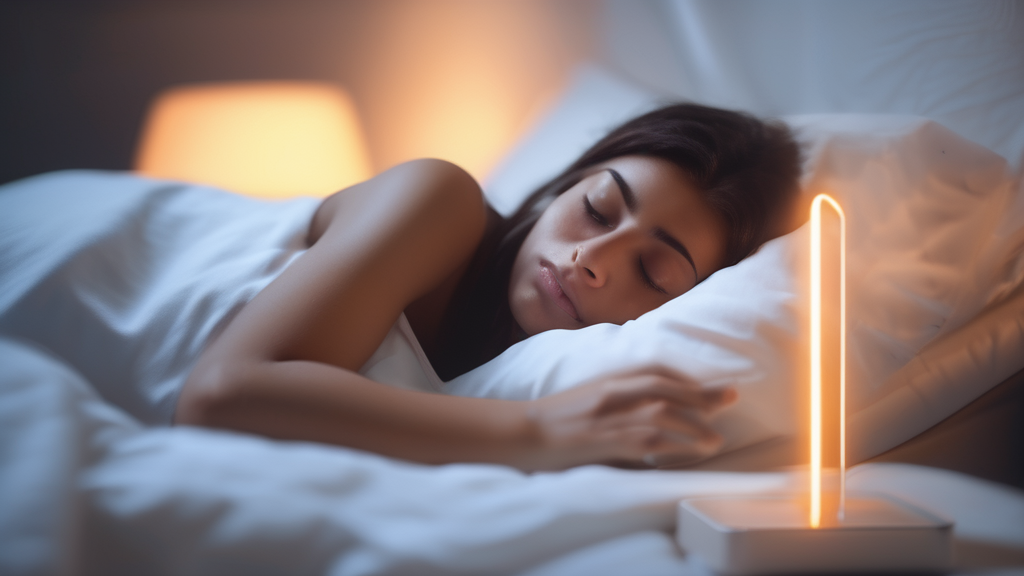
Discover the Secret to achieving profound rest: the ideal sleeping temperature for deep sleep. It’s not just about comfort; science reveals this specific factor is crucial for health and rejuvenation.
1. Introduction to ideal sleeping temperature for deep sleep
The quest for a restful night’s sleep can be elusive for many. The science of sleep is vast, encompassing various factors like light exposure, sleep hygiene, and diet. However, one of the most critical—and often overlooked—variables is the ideal sleeping temperature for deep sleep. This aspect isn’t merely about comfort but is a scientifically grounded tactic to foster quality rest.
Deep sleep, often referred to as slow-wave sleep, plays a vital role in physical recovery and memory consolidation. According to sleep experts, the body’s core temperature naturally decreases during sleep. This reduction is significant for facilitating an uninterrupted slumber. Therefore, maintaining an optimal room temperature is crucial for achieving the ideal sleeping temperature for deep sleep.
According to research, the ideal sleeping temperature for deep sleep generally falls between 60 to 67 degrees Fahrenheit (15 to 19 degrees Celsius). This narrow range may seem mundane, yet its implications for enhancing sleep quality are profound. It aligns with the body’s need to lower its core temperature and reduces the likelihood of sleep disturbances, such as restlessness or insomnia.
Why is this temperature range so important? The body’s circadian rhythm is sensitive to environmental conditions. This internal clock regulates various physiological processes, including sleep-wake cycles. By maintaining the ideal sleeping temperature for deep sleep within the specified range, you can support your circadian rhythm and enhance the ease of falling—and staying—asleep.
Moreover, a cooler sleeping environment aids in the body’s production of melatonin, a hormone that promotes sleep. A slightly lower ambient temperature signals the brain to increase melatonin levels, providing a natural cue for winding down the day. This transition into a restful state is smoother when external conditions align with the body’s own physiological processes.
Implementing this knowledge involves a combination of modern technology and simple lifestyle modifications. For example, using a thermostat to regulate room temperature or utilizing bedding materials that help maintain a cool environment can significantly impact sleep quality. These principles provide the groundwork for an optimal sleeping atmosphere, reinforcing the importance of the ideal sleeping temperature for deep sleep.

2. Proven Benefits of the ideal sleeping temperature for deep sleep
Understanding the ideal sleeping temperature for deep sleep is not just about comfort; it’s also about harnessing a host of benefits that can substantially improve both physical and mental health. When the body can rest in the optimal environmental settings, it stands to gain multiple advantages, validated by scientific research.
First and foremost, one of the proven benefits of maintaining the ideal sleeping temperature for deep sleep is enhanced physical recovery. When you sleep cooler, your body’s cooling processes are aligned with the ambient temperature, allowing it to focus more energy on repairing tissues and building muscle mass after the rigors of daily activities. This is especially beneficial for athletes or individuals with active lifestyles, as effective recovery can translate to improved performance and reduced risk of injury.
Cognitive functioning is another area where the ideal sleeping temperature for deep sleep plays a significant role. Studies indicate that sleeping in a cooler environment can enhance memory retention and information processing. During deep sleep stages, the brain consolidates information and stores it in long-term memory, and an optimal sleeping temperature facilitates these neuro-cognitive processes by stabilizing sleep architecture.
There is also a strong correlation between the ideal sleeping temperature for deep sleep and emotional regulation. By maintaining the right conditions during sleep, the sympathetic nervous system is less active, lending to lower stress levels. This can help decrease occurrences of anxiety and contribute to a more stable and positive mood throughout the day.
Moreover, sleeping at the ideal temperature positively impacts the metabolic rate. A cooler sleeping environment encourages thermogenesis, which can increase calorie burn during rest. This aids in managing body weight and promoting a healthy metabolism. Thus, not only does the ideal sleeping temperature contribute to quality sleep, but it also supports overall metabolic health.
For those worried about the onset of sleep-related disorders, maintaining the ideal sleeping temperature for deep sleep can serve as a preventative measure. A consistent, optimal sleep environment can decrease the chances of developing conditions such as sleep apnea and chronic insomnia. Many individuals report fewer wakefulness episodes and an overall increase in restful sleep when they adhere to these guidelines.
Research from the National Institutes of Health supports these findings, demonstrating that ambient temperature can be a critical factor in sleep efficiency and the prevention of sleep-related disturbances.
3. Step-by-Step Guide to Achieve the ideal sleeping temperature
Implementing the secrets of the ideal sleeping temperature for deep sleep is a matter of making informed adjustments to your sleeping environment and habits. Here’s a comprehensive step-by-step guide designed to help you achieve and maintain the optimal temperature for sleep:
- Understand Your Current Environment: Start by assessing your current sleeping conditions. Use a thermostat or indoor thermometer to identify your bedroom’s temperature range. Take note of the times when you sleep the best and see if there’s a correlation with the ambient temperature.
- Adjust Thermostat Settings: For those with climate control systems, set your thermostat to a range between 60 and 67 degrees Fahrenheit (15 to 19 degrees Celsius). Experiment within this range to find your personalized ideal sleeping temperature for deep sleep.
- Optimize Bedding Choices: Choose bedding that helps regulate body temperature. Natural materials like cotton, linen, or bamboo are breathable and help wick away moisture, keeping you cool. Consider investing in a mattress and pillow with cooling technology features.
- Use Fans or Air Conditioning Strategically: If air conditioning isn’t an option, utilize fans to circulate air and create a pleasant breeze, reducing the temperature. Positioning fans to create a cross-draft can be particularly effective.
- Dress Appropriately for Sleep: Wear lightweight, loose-fitting sleepwear made from natural fibers. Heavy or artificial materials can trap heat and induce night sweats, disrupting the ideal sleeping temperature for deep sleep.
- Block Heat Sources: Ensure that windows have light-blocking curtains or blinds to prevent outside heat from penetrating during warm days. This simple measure can significantly cool the sleeping area by nightfall.
- Include Evening Rituals: Prepare your mind and body for sleep by incorporating a nightly routine. Activities like meditation, reading, or a warm bath can lower stress levels, tying into the effectiveness of maintaining the ideal sleeping temperature for deep sleep.
- Monitor and Adjust Regularly: Environmental and personal factors such as seasonal changes or hormonal fluctuations can affect your ideal sleeping temperature. Continuously reassess and adjust to these variables for sustained sleep quality.
- Invest in Cooling Technology: Devices like cooling pads for your mattress or advanced smart thermostats can help regulate temperature more precisely, automatically adjusting to maintain the perfect sleeping conditions.
- Stay Consistent: Once you determine the ideal sleeping temperature for deep sleep, stick to it regularly. Consistency is key to aligning your bodily rhythms and improving sleep quality long-term.
By following these steps, you can create an environment that naturally assists you in reaching deep, restorative sleep every night.
4. Common Mistakes to Avoid When Aiming for the ideal sleeping temperature for deep sleep
While it’s essential to focus on achieving the ideal sleeping temperature for deep sleep, it’s equally important to be aware of common mistakes that can hinder success. Missteps in creating a conducive sleep environment can often lead to unintended outcomes, compromising the quality of your slumber.
Over-Heating the Room: A prevalent mistake is assuming that a warmer room equates to greater comfort. However, excessive warmth can disrupt your sleep cycle. It’s crucial to ensure that your room is cooler rather than warmer to maintain the ideal sleeping temperature for deep sleep.
Ignoring Body Heat: Bed covers, heavy pajamas, and certain mattress materials can trap body heat, counteracting your efforts to keep the room cool. Opt for breathable fabrics and consider layering, which allows you to adjust warmth levels according to your needs.
Inconsistent Temperature Control: Another common error is not maintaining a consistent temperature throughout the night. Temperature fluctuations can lead to restlessness and waking, preventing you from reaching deep sleep. Utilize programmable thermostats or cooling devices that can adapt to your preset preferences automatically.
Skimping on Window Treatments: Proper window treatments block heat and light, preserving the cool conditions you’ve set for your sleeping environment. Without them, especially during hotter months, room temperatures can rise significantly, making it challenging to achieve the ideal sleeping temperature for deep sleep.
Underestimating Humidity: Humidity levels also play a role in maintaining comfort while sleeping. High humidity can make the air feel warmer than it is, leading to discomfort and overnight disturbances. Consider using a dehumidifier if your region is prone to high humidity.
Neglecting Personal Body Thermoregulation: Age, health conditions, and lifestyle all affect personal thermostats. Ignoring these individual differences can result in setting a temperature that isn’t conducive to your personal sleep needs. Periodically reassess and customize your environment based on these personal factors to maintain the ideal sleeping temperature for deep sleep.
Overlooking Noise and Light Disruptions: While temperature is critical, it’s often not the only factor affecting your sleep. Noise and light intrusion can disrupt your sleep pattern despite having the ideal temperature. Ensure your sleeping environment also minimizes these additional disruptions for comprehensive sleep quality improvement.
By avoiding these common mistakes, you will be able to better maintain the ideal sleeping temperature for deep sleep, ensuring the best possible rest and rejuvenation night after night.
5. Conclusion
The ideal sleeping temperature for deep sleep plays a critical yet understated role in achieving not only restful sleep but also overall health and wellbeing. Through understanding and implementing strategies to maintain this comfortable range, you can significantly enhance both your sleep quality and day-to-day energy levels.
To recap, aligning room conditions with the body’s natural temperature dips can encourage deeper sleep phases and maximize physical and mental recovery. By avoiding common pitfalls and adopting consistent practices as highlighted in the step-by-step guide, you will likely find significant improvements in your sleep quality and overall life satisfaction.
For more tips, explore our Health Info section.