
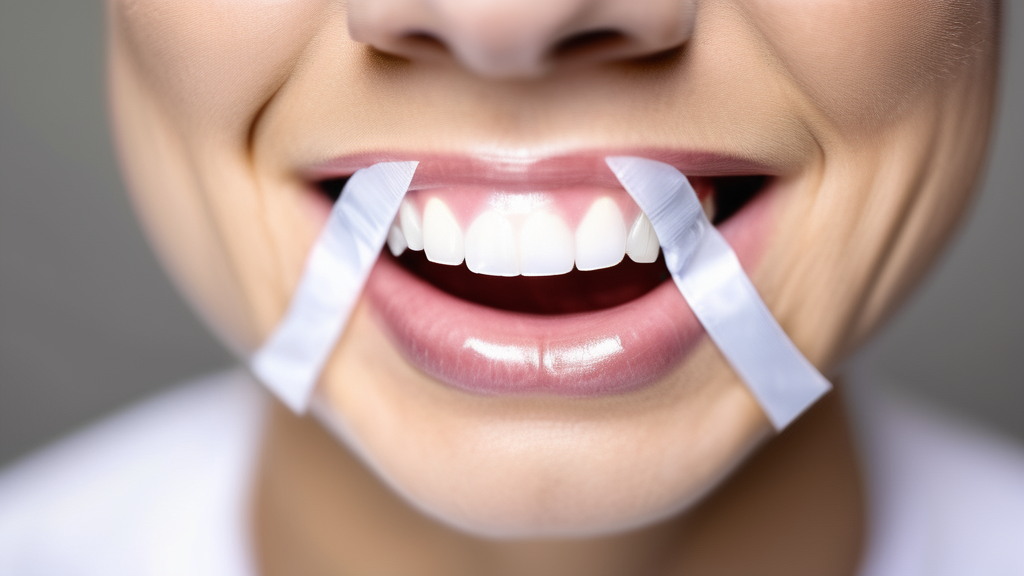
Discover the Secret to Better Sleep: Mouth taping benefits and side effects are gaining attention from sleep enthusiasts and experts alike. But is it truly the magic solution to restful nights, or are there hidden drawbacks?
1. Introduction to mouth taping benefits and side effects
Mouth taping is a simple practice where one tapes their mouth before sleeping, encouraging nose breathing instead of mouth breathing. It’s a concept that’s quickly capturing the interest of those seeking better quality sleep. Proponents claim it offers a slew of benefits, including improved sleep quality, reduced snoring, and enhanced oral health. However, understanding mouth taping benefits and side effects is crucial before incorporating it into your nightly routine.
The origins of mouth taping stem from the idea that breathing through the nose is more beneficial than mouth breathing. The nose serves multiple functions: it humidifies, filters, and regulates the temperature of the air we breathe. In contrast, mouth breathing can bypass these natural defenses and lead to various health issues such as dry mouth, bad breath, and dental problems.
The method of mouth taping involves placing a special kind of tape over your lips to keep them closed during sleep. With a multitude of tapes available in the market specifically designed for this purpose, the practice aims to naturally correct breathing patterns by directing air intake through the nose. While there are reports of improved sleep and reduced snoring, it’s important to examine both the advantages and potential downsides to truly assess its safety and effectiveness.
It is imperative to understand that while anecdotes support mouth taping benefits, medical backing from research is somewhat limited. Before committing to this new sleep hygiene practice, consulting with a healthcare provider can provide individualized recommendations. The exploration of mouth taping benefits and side effects will help you decide if this practice is the right fit for you.

2. Proven Benefits (Include Focus Keyword)
The practice of mouth taping may sound unconventional, but its touted benefits warrant exploration. As people increasingly seek non-pharmacological solutions for sleep improvement, mouth taping benefits and side effects are gaining more attention. Let’s look into the scientifically-backed advantages to better understand its appeal.
One significant benefit is improved sleep quality. Nasal breathing is known for enhancing oxygen exchange, which might lead to deeper sleep. Many who practice mouth taping report waking up more refreshed and energized. By maintaining a closed mouth, you may also experience reduced snoring. Snoring often results from the vibration of soft tissues in the mouth and throat when inhaling through an open mouth. By switching to nasal breathing, these vibrations, and hence snoring, could be minimized. As a result, not only does the practitioner enjoy a peaceful night, but their partner does too.
Another crucial advantage is the improvement in oral health. Mouth breathing can dry out the mouth, leading to an increase in bacteria and a higher risk of tooth decay and gum disease. By forcing the lips closed, mouth taping keeps the oral environment more balanced, reducing these risks.
For individuals with obstructive sleep apnea (OSA), nose breathing might offer slight reliefs. Although not a substitute for professionals’ prescribed interventions like CPAP machines, some anecdotal evidence suggests reduced occurrences in mild cases.
Research from National Institutes of Health highlights that nose breathing is more effective for the body’s oxygen exchange and maintains healthier sleep patterns. This underlines mouth taping benefits when the practice is appropriately applied.
However, while there are promising outcomes, it’s vital to maintain a balanced perspective on mouth taping benefits and side effects. Its popularity may continue to grow, but further research is necessary to solidify its position in health recommendations.
3. Step-by-Step Guide
Adopting mouth taping as part of your nighttime routine is straightforward. Here is a step-by-step guide to ensure you implement this practice safely and effectively.
- Consult a Healthcare Professional: Before beginning, it’s wise to talk with a doctor or a sleep specialist to ensure that mouth taping is a suitable option for you, especially if you have respiratory health concerns.
- Select the Right Tape: Use hypoallergenic tape designed for mouth taping. Avoid using duct tape or any non-breathable materials that could damage or irritate the skin.
- Prepare the Area: Clean and dry your lips and the surrounding area to ensure better tape adhesion. Applying the tape to a clean area reduces the chances of skin irritation.
- Apply the Tape: Place the tape horizontally across your lips, ensuring your lips remain sealed without causing discomfort. You may choose to cut the tape to size for a more customized fit.
- Relax and Sleep: With the tape securely in place, allow yourself to drift into sleep. Focus on breathing through your nose, trusting that the tape will encourage this pathway.
- Post-Sleep Care: Upon waking, gently remove the tape to prevent skin irritation or damage, and clean the area if needed.
- Monitor and Adjust: Pay attention to how your body responds to mouth taping. If you experience any adverse effects or discomfort, discontinue use and consult with a healthcare provider.
Following these steps should maximize mouth taping benefits while minimizing any risk of side effects. The gradual establishment of this routine could potentially enhance your sleep quality, provided it’s a fit for your health needs and lifestyle.
4. Common Mistakes to Avoid
While mouth taping is generally considered safe for many, certain practices could undermine its effectiveness or even cause harm. Knowing and avoiding these common mistakes can help ensure you experience mouth taping benefits and side effects positively.
Choosing the Wrong Tape: Using improper materials such as ordinary tape can result in skin irritation or allergies. It’s crucial to select medical-grade, breathable tapes designed specifically for skin application to avoid these issues.
Ignoring Pre-existing Health Conditions: Individuals with certain health conditions, particularly those affecting breathing (such as respiratory disorders), should avoid mouth taping without professional guidance. Neglecting this step can exacerbate health issues.
Incorrect Application: Not applying the tape properly can defeat its purpose. The tape should be secure but not overly tight to ensure lockdown of breath pathways without causing discomfort.
Disregarding Skin Care: Regular tape use can lead to skin problems if the area is not adequately cared for. Maintaining skin hygiene before and after taping is essential to prevent irritation or damage.
Overlooking Adaptation Periods: As with any new habit, your body may require an adaptation period. Some individuals give up on mouth taping too soon, mistaking initial discomfort for ineffectiveness, when perseverance could lead to the desired outcomes.
Avoiding these mistakes is instrumental in ensuring the practice enhances sleep quality without introducing unwanted side effects. Thus, recognizing signs of discomfort and being prepared to adjust or halt usage if any issues arise forms the basis of safe practice.
5. Conclusion
Mouth taping presents an intriguing option for those seeking non-pharmacological methods to improve their sleep quality and overall health. However, understanding mouth taping benefits and side effects is crucial before integrating it into your routine.
The practice offers promising advantages like enhanced sleep quality, reduced snoring, and better oral health. Still, one must tread cautiously to avoid potential pitfalls, ensuring it’s safe based on individual health needs. Adherence to best practices, consultation with a healthcare provider, and an informed approach will determine its success for individuals.
For more tips, explore our Health Info section.