
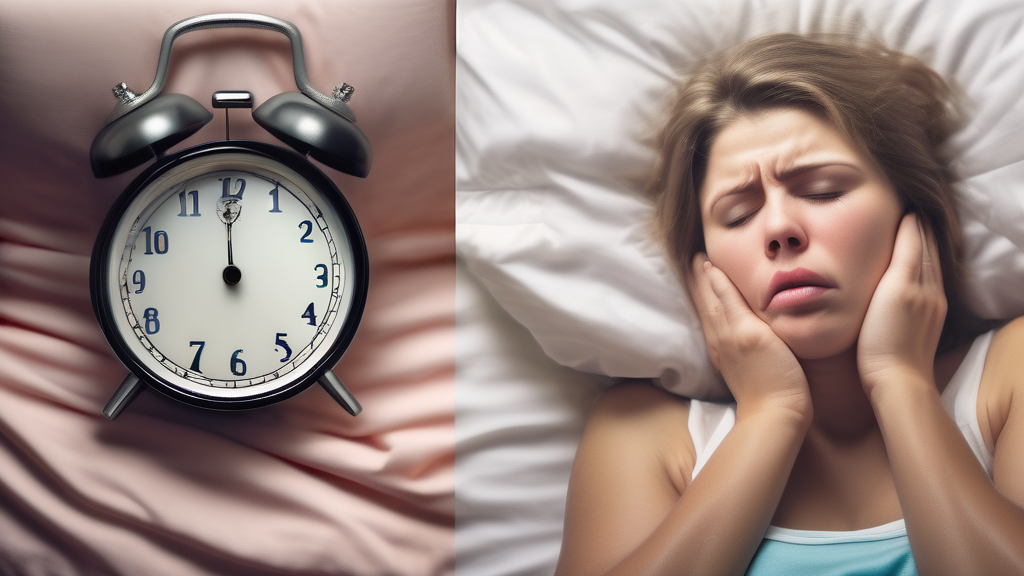
Shocking: Did you know that poor sleep increases sugar cravings, making it harder to resist that midnight snack? This undeniable connection can derail your health goals unless you take decisive action today.
1. Introduction to poor sleep increases sugar cravings
Understanding how poor sleep increases sugar cravings requires a glance at both human biology and lifestyle habits. Reliable sleep is critical to maintaining a balanced diet and optimal health. Unfortunately, modern lifestyles often undervalue the importance of sleep, treating it as a luxury rather than a necessity. This neglect can lead to a cascade of physiological changes that not only amplify sugar cravings but also affect overall health.
Why does poor sleep increase sugar cravings? The answer lies within the functions of key hormones, such as ghrelin and leptin, which regulate appetite. Sleep deprivation results in elevated ghrelin levels and decreased leptin levels—two changes that increase hunger and specifically, cravings for high-calorie foods rich in sugar. This hormonal imbalance makes it challenging to resist sugary foods, which contribute to weight gain and metabolic disorders. Research on this is plentiful, indicating that sleep-deprived individuals tend to consume more calories than those who manage a full night’s rest.
Poor sleep increases sugar cravings due to stress responses generated by insufficient rest. Cortisol, a key stress hormone, becomes elevated with inadequate sleep, consequently enhancing appetite for quick energy sources—often sugary and fatty foods. This is a biological coping mechanism, as your body seeks to replenish perceived energy deficits.
Moreover, the modern, digitally-driven world has made quality sleep more elusive than ever. Electronic devices and constant connectivity significantly disrupt sleep patterns, thus exacerbating sugar cravings. Limelight from screens inhibits melatonin production, delaying sleep onset and diminishing sleep quality. The outcome is a vicious cycle where poor sleep increases sugar cravings, leading to restless nights and impaired health.

2. Proven Benefits (Include Focus Keyword)
Exploring the topic further, several studies corroborate the idea that poor sleep increases sugar cravings with striking consistency. Addressing sleep deprivation can have transformative benefits, empowering individuals to regain control over their diet and cravings.
The Proven benefits of improving sleep are substantial. By enhancing sleep quality, individuals commonly report a marked reduction in sugar cravings and overall appetite. The correlation between sleep and cravings is supported by scientific evidence showing improved sleep leads to balanced ghrelin and leptin levels, minimizing irrational hunger pangs triggered by sleep debt.
Proper sleep hygiene not only reduces sugar cravings but also contributes to improved focus and cognitive function. Better rest rejuvenates the mind and body, enhancing productivity and elevating mood. As cortisol levels normalize, stress decreases—a crucial step in reducing the impulse to reach for sugary comfort foods.
Additionally, sleep’s restoration processes enhance immune function, fortifying the body against illnesses. This aspect is often overlooked yet is vital, considering that sleep deprivation can compromise immune responses, leaving the body vulnerable to infections which could indirectly encourage sugar cravings.
It is telling that performance athletes and thriving professionals prioritize sleep as a fundamental pillar of their regimen. Their success showcases why addressing poor sleep should be a prominent strategy if one wishes to manage dietary habits and sugar intake. Research from National Institutes of Health supports this, demonstrating that restful nights support metabolic health and curb unnecessary caloric intake.
3. Step-by-Step Guide
Creating a regimen to combat the fact that poor sleep increases sugar cravings involves knowledgeable strategies. Follow these steps to improve sleep and manage cravings effectively:
- Establish a Consistent Sleep Schedule: Aim to sleep and wake at the same time every day, even on weekends. This consistency reinforces your circadian rhythm and improves sleep quality.
- Create a Restful Environment: Optimize your bedroom for sleep by minimizing light and noise. Consider blackout curtains and white noise machines to create an atmosphere conducive to sleep.
- Limit Screen Time: Reduce exposure to electronic devices at least an hour before bedtime. This minimizes blue light interference with melatonin production, reducing disruptions to your natural sleep cycle.
- Mind Your Diet: Avoid heavy meals and stimulants like caffeine close to bedtime. These can interfere with your ability to fall asleep and diminish sleep quality, leading to increased sugar cravings during the day.
- Exercise Regularly: Engaging in regular physical activity helps in reducing the amount of time it takes to fall asleep and the time spent in different stages of sleep, enhancing its quality and minimizing cravings.
- Practice Relaxation Techniques: Incorporate meditation, yoga, or deep-breathing exercises into your nightly routine to calm the mind and prepare your body for restful sleep.
- Seek Professional Guidance: If sleep issues persist, consulting with a healthcare professional or a sleep specialist may uncover underlying conditions that can be treated, reversing sleep deprivation and attenuating sugar cravings.
Committing to these tailored strategies is an effective approach to rectifying poor sleep and taming the sugar cravings that often follow.
4. Common Mistakes to Avoid
Despite best intentions, people often make mistakes that exacerbate how poor sleep increases sugar cravings. Here are prevalent missteps to avoid:
Ignoring Bedtime Routines: Many still underestimate the power of a bedtime routine. Skipping pre-sleep rituals can prevent your mind and body from settling into a restful state, worsening sleep and increasing sugar cravings.
Overreliance on Sleep Aids: Dependence on sleep aids, such as medication, might seem like a quick fix, but can lead to dependency without addressing the root causes of poor sleep, hence not effectively curbing cravings.
Dismissing Dietary Influences: Failing to observe how your diet impacts sleep is a common oversight. Consuming alcohol or caffeine too close to bedtime can interrupt sleep quality and elevate sugar cravings, creating a cyclical problem.
Ignoring Stress Management: Chronic stress leads to increased cortisol levels, impairing sleep and heightening cravings for sugar-centric foods as a misguided comfort strategy.
Underestimating Consistent Sleep Schedules: Inconsistent sleep habits disrupt the body’s internal clock, enforcing irregular sleep patterns that exacerbate sleep debt and sugar cravings.
Being aware of these common pitfalls empowers you to avoid them, effectively breaking the cycle where poor sleep increases sugar cravings, ultimately promoting healthier habits.
5. Conclusion
Improving sleep quality is a credible solution to diminishing the challenges posed by how poor sleep increases sugar cravings. Integrating disciplined sleep routines and recognizing the significance of adequate rest can result in reduced cravings, better health, and enhanced well-being.
For more tips, explore our Health Info section.