
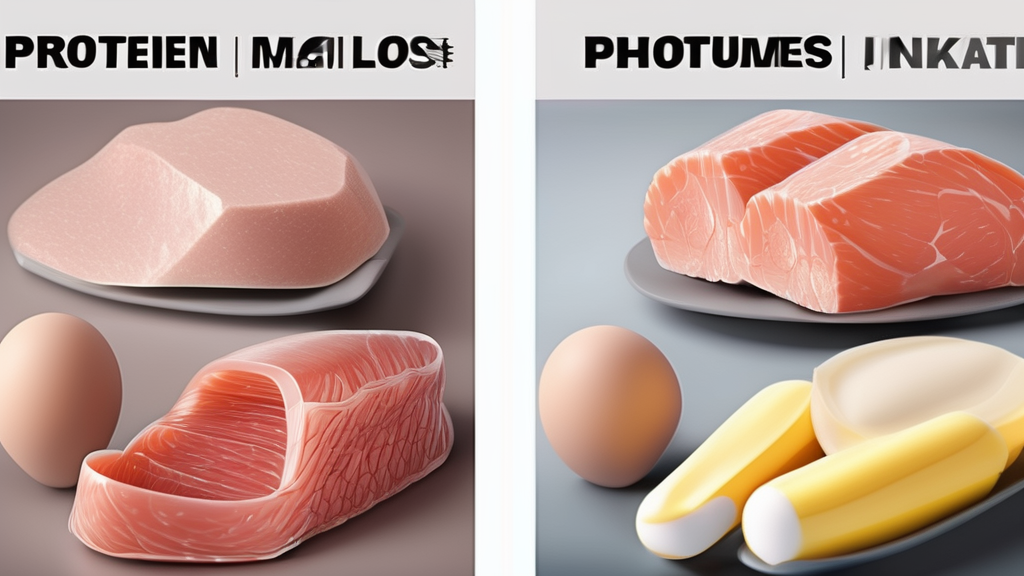
Unlock the secret to effective protein intake for fat loss without muscle loss! This proven method allows you to shed fat while maintaining your muscle mass, making it an essential strategy for anyone aiming for a toned and healthy body.
1. Introduction to protein intake for fat loss without muscle loss
Understanding the balance of protein intake for fat loss without muscle loss is critical for individuals looking to improve their physical fitness and aesthetics. Protein plays a vital role in not only building and repairing tissues but also in ensuring that muscle mass is preserved during a weight loss regimen. When reducing calorie intake to burn fat, the body may turn to muscle tissues as an energy source, which is why adequate protein intake is essential. Consuming the right amount of protein helps protect muscle mass and enables the body to burn off excess fat instead.
Proteins are made up of amino acids, which are crucial in supporting muscle synthesis and reducing muscle degeneration. Many fitness enthusiasts and bodybuilders prioritize protein intake as part of their regimen to achieve their goals not only because of its muscle-preserving qualities but also due to its satiating properties, which help in controlling hunger levels.
The question often arises: how much protein is necessary to achieve the perfect balance of fat loss without compromising muscle? Many factors influence this, including an individual’s age, weight, level of physical activity, and metabolic rate. However, a general guideline suggests that consuming between 1.2 to 1.6 grams of protein per kilogram of body weight is effective for most individuals.
Moreover, the timing of protein consumption can also affect its efficacy. Spreading protein intake throughout the day, rather than consuming large amounts in a single meal, can support better muscle protein synthesis and may prevent muscle loss.
Whether you are an athlete pushing limits or someone looking to get fit, focusing on protein intake for fat loss without muscle loss is a strategy worth adopting. This method is not about drastically changing diets but about smartly integrating protein that fits your lifestyle and maintenance goals.
protein%20intake%20for%20fat%20loss%20without%20muscle%20loss%20realistic%20photo?width=800&height=500&nologo=true)
2. Proven Benefits
Protein intake for fat loss without muscle loss comes with a host of benefits that have been proven by scientific research and practical application. The most significant advantage is the preservation of muscle mass while body fat percentage is reduced. When calories are cut, the body can dip into muscle stores for energy. Protein works as a buffer against this catabolism, ensuring muscles remain intact.
Furthermore, protein consumption increases thermogenesis, the process by which the body burns calories through heat production. Eating protein boosts your metabolic rate more significantly compared to fats or carbohydrates, thus aiding fat loss.
Another key benefit is satiety. Protein-rich diets help in controlling appetite and reducing calorie intake. Studies have shown that protein can influence the hormones that manage hunger levels, leading to reduced cravings and making it easier to stick to a caloric deficit necessary for fat loss.
Protein intake for fat loss without muscle loss also enhances recovery and performance. Following intense workouts, protein aids in repairing muscles efficiently. This attribute is especially beneficial for those engaged in strength training or high-intensity interval training (HIIT). As a result, protein not only preserves muscle mass but can also lead to stronger and more defined muscles.
In integrating protein intake for fat loss without muscle loss, the types of protein consumed are crucial. Lean protein sources like chicken, fish, eggs, and plant-based proteins like beans and lentils are recommended. These choices supply essential amino acids while minimizing the intake of unhealthy fats.
Research from the National Institutes of Health supports the positive impacts of structured protein intake for fat loss without muscle loss on overall body composition and metabolic health.
3. Step-by-Step Guide
Here’s a step-by-step guide to effectively manage protein intake for fat loss without muscle loss:
- Calculate your required protein intake: Start by determining your protein needs based on your body weight. Aim for 1.2 to 1.6 grams of protein per kilogram of body weight.
- Spread your protein intake: Rather than consuming large amounts at once, distribute your protein intake throughout the day. This ensures continuous muscle protein synthesis.
- Incorporate a variety of protein sources: Include a mixture of plant and animal protein sources to get a full spectrum of amino acids. Lean meats, fish, legumes, and tofu are excellent choices.
- Monitor your diet: Keep track of your calorie and macronutrient intake with apps or food diaries. This will help you ensure you’re meeting protein goals while staying within your caloric needs.
- Customize protein intake around workouts: Consume protein pre and post-workout to enhance muscle repair and growth. A protein-rich snack shortly after exercise can be especially beneficial.
- Stay hydrated: Adequate water intake supports bodily functions and helps in the efficient digestion and utilization of protein.
- Limit processed foods: Processed and high-sugar foods can hinder fat loss goals. Focus instead on wholesome, nutrient-dense foods that complement your protein intake strategy.
- Regular assessment and adjustment: Track progress and make necessary adjustments to your protein intake based on results. Increased activity or intensity in workouts may require higher protein consumption.
By adhering to these steps, the protein intake for fat loss without muscle loss can be effectively managed, leading to sustainable results.
4. Common Mistakes to Avoid
While strategizing protein intake for fat loss without muscle loss, it is crucial to avoid common pitfalls that can derail your progress. Here are some frequent mistakes:
Overconsumption of protein: Consuming excessive amounts of protein without accounting for other caloric intake can lead to surplus energy, which may be stored as fat. Balance is key.
Neglecting other nutrients: While protein is important, it should not overshadow the need for a balanced diet that includes healthy fats and carbohydrates. All macronutrients play a role in body function and health.
Skipping meals: Some individuals might cut meals as a way to reduce calories, which can lead to insufficient protein intake and potentially muscle loss. It’s important to maintain regular meal patterns.
Not diversifying protein sources: Relying too heavily on a single type of protein can limit the variety of amino acids your body gets. A diverse intake supports comprehensive muscle health and function.
Ignoring the timing of protein intake: The distribution of protein throughout the day often goes overlooked. Spacing out protein consumption is more beneficial for muscle maintenance than concentrated intake.
Unrealistic expectations: Protein intake for fat loss without muscle loss is not a quick fix. It should be part of a sustained, healthy lifestyle change rather than a rapid solution.
Failure to adapt: As body composition changes, protein requirements may shift. Regularly reviewing and adjusting your protein intake ensures continued effectiveness.
By recognizing and addressing these common errors, individuals can better leverage protein intake for fat loss without muscle loss to achieve their desired goals.
5. Conclusion
In summary, managing protein intake for fat loss without muscle loss is an essential strategy for achieving and maintaining a healthy body composition. By understanding the importance of adequate protein consumption, spreading intake throughout the day, and avoiding common errors, you can preserve muscle mass while losing fat. This approach, supported by scientific research, offers a sustainable method for improving overall health and physical performance.
For more tips, explore our Health Info section.
