
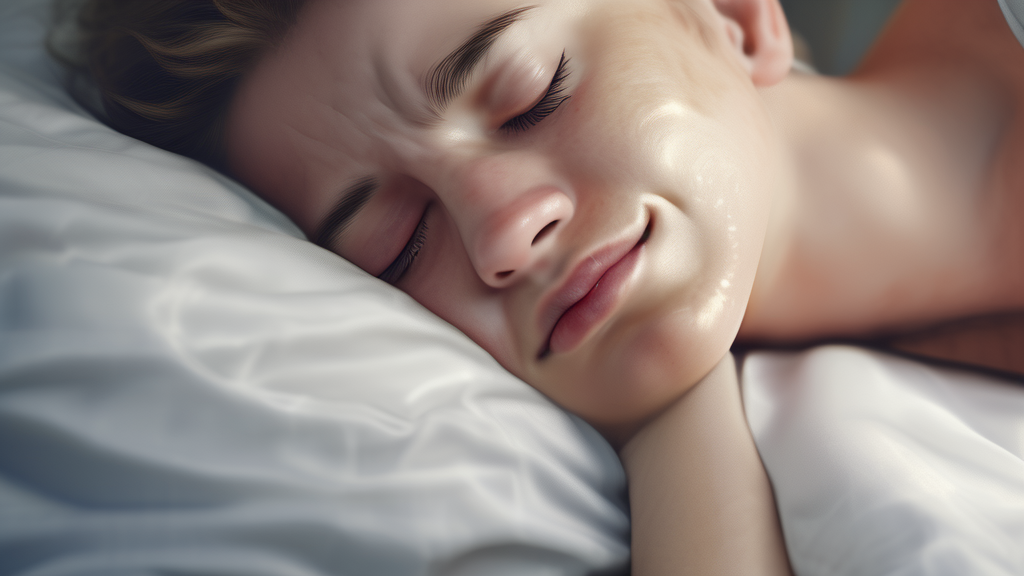
Discover the shocking truth about why waking up tired after 8 hours of sleep is more common than you think. Imagine setting your alarm for eight hours of total rest, only to open your eyes feeling groggy and unrefreshed. This phenomenon is baffling yet fixable.
1. Introduction to waking up tired after 8 hours of sleep
Many people face the perplexing issue of waking up tired after 8 hours of sleep. This condition is dispiriting and often misunderstood. Sleep is crucial for various functions, including mood regulation, memory retention, and overall health. According to traditional sleep guidelines, an average adult requires approximately 7 to 9 hours of sleep per night. Therefore, reaching the 8-hour mark should ideally render you rejuvenated and ready to tackle the day. Yet, numerous individuals wake up feeling quite the opposite, leading to questions about what might be going wrong.
A myriad of factors could be involved in waking up tired after 8 hours of sleep, such as sleep quality, underlying health conditions, lifestyle choices, and environmental factors. Simply clocking in eight hours doesn’t automatically translate to restful sleep. When considering sleep quality, it’s imperative to acknowledge the different stages of sleep and how the disruption of these might lead to the feeling of tiredness. Sleep cycles move through stages 1, 2, 3, and the rapid eye movement (REM) stage. Proper cycling through these stages is crucial for restful sleep.
Additionally, factors like stress, diet, caffeine, and exposure to screens before bedtime can also contribute immensely to the problem. Stress and anxiety, for instance, can cause the production of cortisol, a stress hormone that interferes with sleep, leading to waking up tired after 8 hours of sleep. Diet also plays a role; a diet high in sugar and processed foods can disrupt sleep patterns, while nutritional deficiencies, especially a lack of vitamins such as B and D, can impact sleep quality.
In this post, we explore these elements further, providing insights and evidence from research to help you understand why you might be waking up tired after 8 hours of sleep and what you can do to rectify it.

2. Proven Benefits (Include Focus Keyword)
The benefits of achieving the desired 8 hours of restorative sleep are truly profound. Evidently, not all sleep is equal. To grasp why waking up tired after 8 hours of sleep can occur, we must delve into research-backed benefits and aim for the complete package that sleep offers. Optimal sleep aids in muscle repair, releases crucial hormones, and assists in emotional processing. When sleep is truly restorative, waking up should feel refreshing.
However, the reality for many remains waking up tired after 8 hours of sleep. Studies demonstrate helping factors that contribute to the ideal sleep include maintaining a consistent sleep schedule, reducing exposure to blue light before bed, and creating a conducive sleep environment. These assist in aligning your circadian rhythm, which plays a critical role in sleep health.
For instance, the National Institutes of Health recognizes that inconsistent sleep schedules and ambient noise disrupt sleep quality, resulting in waking up feeling tired despite the length of sleep. Moreover, sleep disorders such as sleep apnea can cause interrupted breathing, resulting in less restorative sleep. This can lead to waking up tired after 8 hours of sleep more frequently. These disturbances prevent the complete cycles of deep sleep and REM sleep, which are restorative stages.
Research from National Institutes of Health supports that optimizing sleep hygiene by keeping your bedroom cool, quiet, and dark can significantly improve sleep quality. Eliminating screen time and limiting stimulant consumption close to bedtime can further consolidate sleep, reducing the occurrence of waking up tired after 8 hours.
Another proven benefit illustrating the complexity of sleep is its impact on the brain’s glymphatic system, which is responsible for clearing waste products from the nervous system. Compromised sleep impairs this essential function, which can contribute to the tired feeling post-sleep.
3. Step-by-Step Guide
Solving the issue of waking up tired after 8 hours of sleep often requires strategic changes. Here is a step-by-step guide to enhance your sleep quality:
- Evaluate Your Sleep Environment: Assess whether your sleep setting is conducive to rest. Consider factors such as noise, light, and room temperature.
- Maintain a Sleep Schedule: Go to bed and wake up at the same time daily, even on weekends. This practice reinforces your body’s natural circadian rhythm.
- Reduce Blue Light Exposure: Limit screen time an hour before bed. Blue light from phones and TVs can interfere with melatonin production, a hormone that controls your sleep-wake cycle.
- Monitor Your Diet: Avoid heavy meals, caffeine, and alcohol prior to sleep. These can disrupt the sleep cycle and contribute to waking up tired after 8 hours of sleep.
- Engage in Relaxing Activities: Incorporate relaxing pre-bedtime rituals such as reading, meditating, or taking a warm bath to help your body relax and transition to sleep.
- Exercise Regularly: Physical activity can help you fall asleep faster and enjoy deeper sleep. Just ensure that intense exercise isn’t close to bedtime.
- Consult a Healthcare Professional: If you consistently wake up tired, it might indicate sleep disorders such as sleep apnea. A professional can diagnose and treat such conditions.
4. Common Mistakes to Avoid
Overcoming waking up tired after 8 hours of sleep often involves evading common pitfalls. Here are mistakes to be aware of:
- Ignoring Underlying Health Issues: Sleep disorders like insomnia or apnea often go undiagnosed, exacerbating the issue.
- Overreliance on Sleep Aids: While they might offer short-term relief, dependence on sleep medications can lead to diminished sleep quality in the long run.
- Inconsistent Sleep Patterns: Fluctuating sleep routines disrupt your circadian rhythm, contributing to the fatigue felt after sleep.
- Poor Sleep Environment: Overlooking elements of a conducive sleep environment can hinder rest, such as allowing light and noise into the sleeping space.
- Screen Exposure Before Bed: Screens emit blue light that suppresses melatonin, which makes it difficult to fall asleep naturally.
- Neglecting Mental Health: Stress and anxiety are significant contributors. A failure to address these can impair sleep quality and lead to waking up tired after 8 hours of sleep.
Avoiding these mistakes can pave the way to more restful and restorative sleep, helping you avoid waking up tired after 8 hours of sleep.
5. Conclusion
In conclusion, waking up tired after 8 hours of sleep is a complex issue influenced by a variety of factors including lifestyle choices, environmental settings, and potential health conditions. While achieving perfect sleep each night may not be feasible, understanding and implementing changes can greatly improve how you rest. By prioritizing a consistent sleep schedule, creating a relaxing pre-sleep routine, and evaluating your environment, you can address this common issue proactively.
For those persistently facing difficulties, a consultation with healthcare professionals might be warranted, especially if a sleep disorder is suspected. Ultimately, the path to better sleep is one of both discovery and dedication.
For more tips, explore our Health Info section.